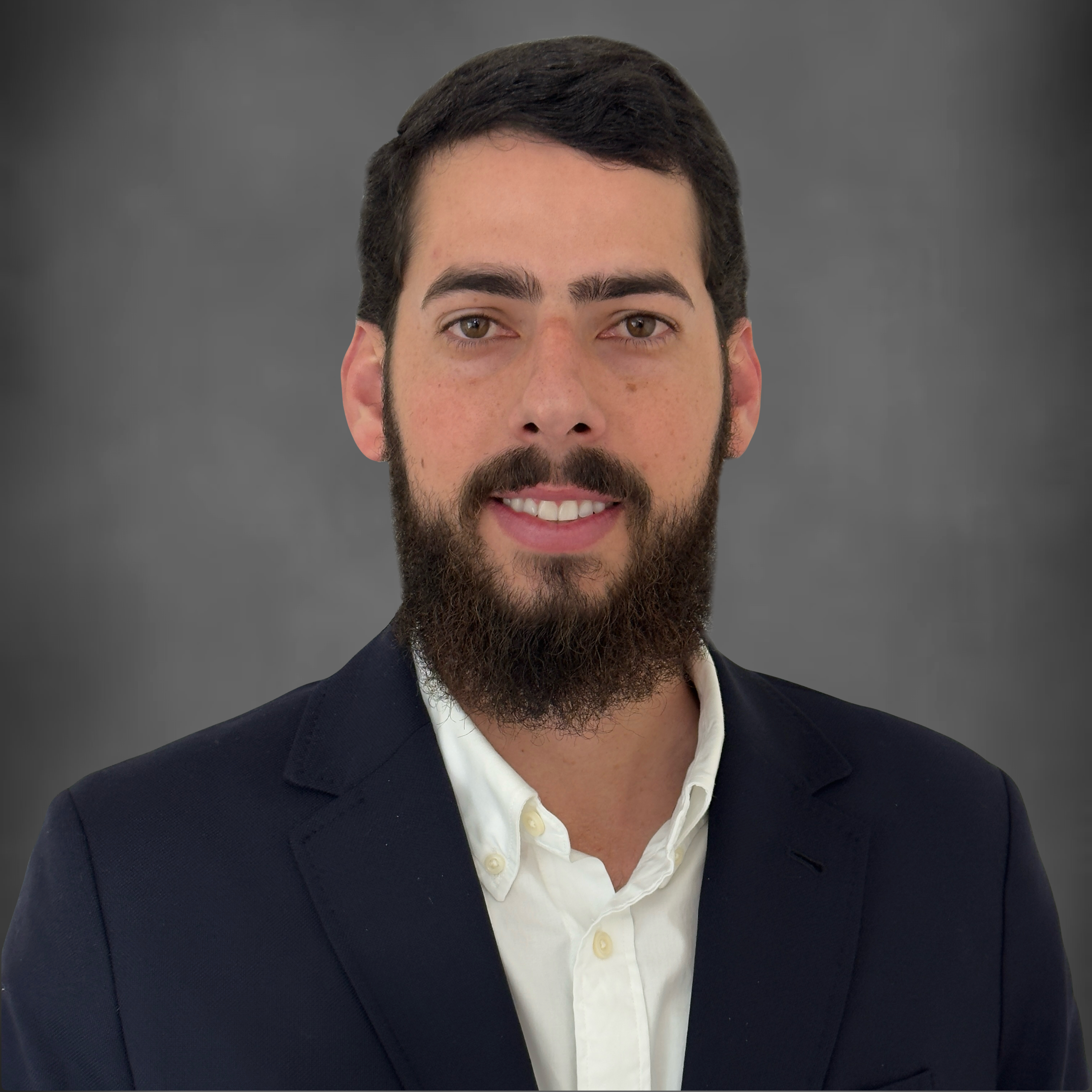
Dr. Marcelo Barbosa (Principal Investigator-PI)
Assistant Research Professor & State Extension Specialist for Precision AgricultureAgronomist, Master’s, and PhD. In short, an academic journey dedicated to technological development through Research and Extension. My academic journey began in 2014 at the Federal University of Alagoas (UFAL), where I started as an undergraduate student in Agronomy. Five years after joining UFAL, I completed my undergraduate degree and started a master's degree in the Postgraduate Program in Agronomy (Plant Production) at São Paulo State University (Unesp). In 2021, I completed my master's degree and started my PhD in the same program. During my PhD, I had an internship period at Louisiana State University (LSU AgCenter), broadening my perspectives on precision agriculture. In general, during my graduate studies, I focused on research that integrates remote sensing and artificial intelligence-based analysis to address common problems in agriculture. Moreover, I was a Post-Doctoral Associate in the Department of Horticulture at the University of Georgia (UGA), always seeking to integrate cutting-edge technologies (e.g., robots, UAVs, and AI) as an alternative to support the future of agricultural production. Currently, I am an Assistant Research Professor and State Extension Specialist for Precision Agriculture at the University of Missouri – Fisher Delta REEC. My focus is on integrating cutting-edge technologies (e.g., drones, robotics, automation, AI, etc.) into agriculture.
Mission
To advance agricultural practices by integrating cutting-edge precision agriculture technologies that address real-world farmer needs, improve decision-making, and enhance resource-use efficiency.
Vision
To be a leader in precision agriculture innovation, recognized for developing a high-quality work that bridge the gap between research and on-farm application.
Values
To value innovation in solving real-world agricultural challenges, collaboration with farmers, researchers, and industry; integrity through honesty and scientific rigor; accessibility by making knowledge easy to use; and adaptability through continuous improvement.